
1: Introduction
🏡 Think getting a new home construction loan is a nightmare? Think again! Let’s be real—when you hear “construction loans,” your mind probably jumps to complicated paperwork, sky-high interest rates, and endless headaches. But here’s the truth: new home construction loans don’t have to be scary. In fact, they’re one of the best ways to build your dream home exactly the way you want it.

Whether you’re planning a cozy cottage, a modern mansion, or an eco-friendly haven, a new home construction loan can make it happen. But before you dive in, it’s important to understand what these loans are, how they work, and why they’re different from your typical mortgage.
In this guide, we’ll break it all down for you—no confusing jargon, no stress. Just clear, actionable advice to help you navigate the world of home construction loans like a pro. Ready to turn your dream home into a reality? Let’s get started!
2: What Are New Home Construction Loans? (The Basics)
🔨 “So, what exactly is a new home construction loan?”
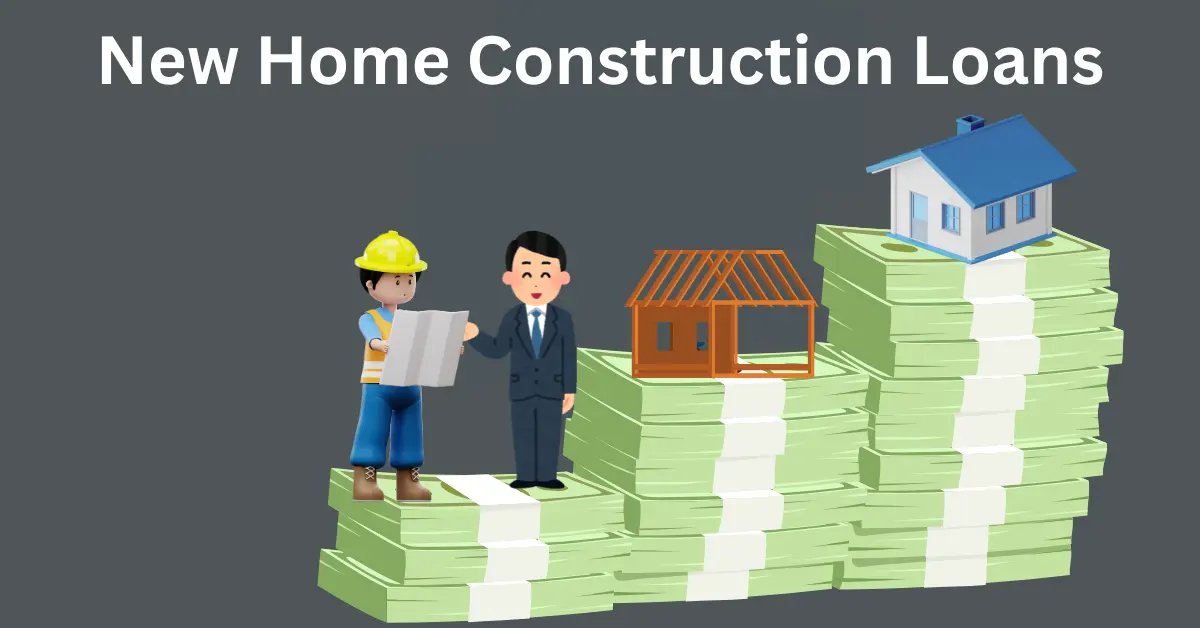
If you’re new to the world of homebuilding, you might be wondering: What’s the deal with construction loans? Simply put, a new home construction loan is a short-term loan that helps you cover the costs of building a house from scratch. Unlike a traditional mortgage, which gives you a lump sum to buy an existing home, a construction loan releases funds in stages as your home is being built.
Here’s how it works:
- You get approved for a loan based on your plans, budget, and creditworthiness.
- Funds are disbursed in “draws” at key stages of construction (e.g., laying the foundation, framing, roofing).
- Once the house is complete, the loan either converts to a permanent mortgage or is paid off.
How Is It Different From a Traditional Mortgage?
🏠 “Construction loans vs. mortgages—what’s the difference?”
Great question! While both help you finance a home, there are some key differences:
- Timing: A traditional mortgage is used to buy an existing home, while a construction loan is for building a new one.
- Disbursement: With a mortgage, you get the full amount upfront. With a construction loan, funds are released in stages.
- Interest rates: Construction loans often have higher interest rates because they’re considered riskier.
- Loan term: Construction loans are short-term (usually 6-12 months), while mortgages can last 15-30 years.
Why Choose a New Home Construction Loan?
🌟 “Why should you consider a construction loan?”
If you’re building a custom home, a new home construction loan is your best friend. Here’s why:
- Customization: You get to design your dream home exactly the way you want it.
- Flexibility: Funds are released as needed, so you only pay for what’s being built.
- Eco-friendly options: Perfect for building energy-efficient or sustainable homes.
- Rural living: Ideal for building in areas where existing homes are scarce.
Whether you’re a first-time buyer or a seasoned homeowner, a construction loan can help you create the home you’ve always wanted.
3: Types of New Home Construction Loans
🏗️ “Think all construction loans are the same? Think again!”
When it comes to new home construction loans, one size doesn’t fit all. There are different types of loans designed to meet different needs. Whether you’re a first-time buyer, a veteran, or building in a rural area, there’s a loan option for you. Let’s break it down:
1. Construction-to-Permanent Loans (One-Time Close)
🔑 “The all-in-one solution for builders.”
This is the most popular option because it’s simple and hassle-free. With a construction-to-permanent loan, you get one loan that covers both the construction phase and the permanent mortgage. Once your home is built, the loan automatically converts to a traditional mortgage.
- Best for: People who want to avoid applying for two separate loans.
2. Stand-Alone Construction Loans (Two-Time Close)
🔑 “Flexibility for those who need it.”
A stand-alone construction loan is a short-term loan that only covers the construction phase. Once your home is built, you’ll need to apply for a separate mortgage to pay off the construction loan.
- Best for: Those who want more flexibility in choosing their permanent mortgage lender.
3. Government-Backed Construction Loans
🔑 “Special options for veterans, rural homeowners, and more.”
If you qualify, government-backed loans can save you money and make the process easier. Here are the main types:
- FHA Construction Loan: Great for first-time buyers with lower credit scores.
- VA Construction Loan: Exclusive to veterans and active military members.
- USDA Construction Loan: Perfect for building in rural areas.
- Best for: First-time buyers, veterans, and rural homeowners.
4. Renovation Construction Loans
🔑 “Not just for new builds!”
If you’re renovating or remodeling an existing home, a renovation construction loan can help cover the costs.
- Best for: Homeowners looking to upgrade their current property.
Read more about: Benefits of Navy Federal Home Loans
4: How to Qualify for New Home Construction Loans
📝 “Think qualifying for a construction loan is impossible? It’s easier than you think!”
Yes, new home construction loans have stricter requirements than traditional mortgages, but that doesn’t mean they’re out of reach. Here’s what you need to know to qualify:
1. Credit Score Requirements
💳 “Your credit score matters—but it’s not the end of the world.”
Most lenders look for a credit score of 620 or higher for construction loans. If your score is lower, don’t panic! Some government-backed loans (like FHA) accept scores as low as 580.
- Pro Tip: Check your credit report and fix any errors before applying.
2. Down Payment Requirements
💰 “Yes, you’ll need a down payment—but how much?”
Most lenders require a down payment of 10-20% for construction loans. If you’re using a government-backed loan, you might qualify for a lower down payment.
- Pro Tip: Save up a little extra for unexpected costs.
3. Income and Debt-to-Income Ratio
📊 “Show them you can handle the payments.”
Lenders want to see that you have a steady income and a manageable debt load. Ideally, your debt-to-income ratio (DTI) should be below 45%.
- Pro Tip: Pay off small debts to lower your DTI before applying.
4. Required Documents
📂 “Paperwork, paperwork, paperwork.”
To apply for a new home construction loan, you’ll need:
- Detailed construction plans and blueprints.
- A signed contract with your builder.
- Proof of income (pay stubs, tax returns).
- Land details (if you already own it).
- Pro Tip: Get organized early to speed up the process.
5. Tips to Improve Your Chances
🚀 “Boost your odds of approval with these tips.”
- Work with a reputable builder: Lenders prefer builders with a proven track record.
- Save for a larger down payment: This shows lenders you’re serious.
- Improve your credit score: Even a small boost can make a big difference.
5: The Step-by-Step Process of Getting a Construction Loan
🛠️ “Think getting a construction loan is a maze? It’s actually a straightforward process!”
Sure, new home construction loans involve more steps than a traditional mortgage, but it’s nothing you can’t handle. Here’s a clear, step-by-step guide to help you navigate the process like a pro:
Step 1: Find the Right Lender
🔍 “Not all lenders are created equal.”
Start by shopping around for lenders who specialize in construction loans. Compare interest rates, terms, and customer reviews. Don’t settle for the first option—take your time to find the best fit.
- Pro Tip: Look for lenders with experience in your type of project (e.g., custom homes, rural builds).
Step 2: Get Pre-Approved
✅ “Know your budget before you start building.”
Pre-approval gives you a clear idea of how much you can borrow. It also shows builders and contractors that you’re serious.
- Pro Tip: Gather all your financial documents (pay stubs, tax returns, etc.) to speed up the process.
Step 3: Submit Your Plans and Budget
📐 “Details matter—so make them count.”
Lenders will want to see detailed construction plans, a realistic budget, and a signed contract with your builder. The more thorough you are, the smoother the process will be.
- Pro Tip: Work with an architect or builder to create professional plans.
Step 4: Loan Approval and Disbursement
💰 “Funds are released in stages—not all at once.”
Once approved, your lender will release funds in “draws” at key stages of construction (e.g., foundation, framing, roofing). Inspections are usually required before each disbursement.
- Pro Tip: Stay on top of the construction schedule to avoid delays.
Step 5: Transition to a Permanent Mortgage
🏠 “From construction loan to forever home.”
If you have a construction-to-permanent loan, it will automatically convert to a mortgage once your home is complete. If not, you’ll need to apply for a separate mortgage.
- Pro Tip: Lock in your interest rate early to avoid surprises.
6: Pros and Cons of New Home Construction Loans
⚖️ “Weighing the good and the bad.”
Before diving into a new home construction loan, it’s important to understand the pros and cons. Let’s break it down:
Pros of Construction Loans
🌟 “Why they’re worth it.”
- Customization: Design your dream home exactly the way you want it.
- Flexibility: Pay only for what’s being built (staged disbursement).
- Eco-Friendly Options: Perfect for energy-efficient or sustainable builds.
- Rural Living: Ideal for building in areas with few existing homes.
Cons of Construction Loans
⚠️ “What to watch out for.”
- Higher Interest Rates: Construction loans often have higher rates than traditional mortgages.
- More Paperwork: Expect detailed plans, budgets, and inspections.
- Budget Overruns: Construction projects can go over budget—plan for contingencies.
- Short-Term: Construction loans typically last 6-12 months, so timing is crucial.
7: Top Tips for Securing the Best New Home Construction Loan
💡 “Think getting the best construction loan is all about luck? It’s actually about strategy!”
Securing a new home construction loan doesn’t have to be a gamble. With the right approach, you can land a loan that fits your needs and budget. Here are 5 expert tips to help you get the best deal:
Tip 1: Shop Around for the Best Lenders
🔍 “Don’t settle for the first offer.”
Not all lenders are created equal. Some specialize in construction loans, while others might not have the expertise you need. Compare interest rates, terms, and customer reviews to find the best fit.
- Pro Tip: Ask about their experience with projects like yours (e.g., custom homes, rural builds).
Tip 2: Understand the Fine Print
📜 “The devil’s in the details.”
Before signing anything, make sure you understand the loan’s terms, fees, and penalties. Look out for hidden costs like inspection fees or early repayment penalties.
- Pro Tip: Have a lawyer or financial advisor review the contract if you’re unsure.
Tip 3: Work with a Reputable Builder
👷 “Your builder matters—a lot.”
Lenders prefer working with builders who have a proven track record. A reputable builder can also help you stay on budget and avoid delays.
- Pro Tip: Check reviews, ask for references, and verify licenses.
Tip 4: Plan for Contingencies
💰 “Expect the unexpected.”
Construction projects often go over budget. Plan for contingencies by setting aside an extra 10-15% of your total budget.
- Pro Tip: Include a buffer in your loan application to cover unexpected costs.
Tip 5: Consider Government-Backed Loans
🏛️ “Special programs for special needs.”
If you qualify, government-backed loans (like FHA, VA, or USDA) can save you money with lower interest rates and down payments.
- Pro Tip: Check eligibility requirements before applying.
8: Frequently Asked Questions (FAQs)
❓ “Got questions? We’ve got answers!”
Here are some common questions about new home construction loans—answered in plain English:
FAQ 1: Can I Get a New Home Construction Loan with Bad Credit?
💳 “Yes, but it’s trickier.”
While most lenders prefer a credit score of 620 or higher, some government-backed loans (like FHA) accept scores as low as 580.
FAQ 2: What’s the Average Interest Rate for Construction Loans?
📊 “It depends, but expect higher rates.”
Construction loans typically have higher interest rates than traditional mortgages—usually 0.5% to 1% higher.
FAQ 3: How Long Does It Take to Get Approved?
⏳ “Patience is key.”
The approval process can take 30-60 days, depending on the lender and your documentation.
FAQ 4: Can I Use a Construction Loan for Renovations?
🏚️ “Absolutely!”
Renovation construction loans are designed specifically for remodeling or upgrading existing homes.
FAQ 5: What Happens If the Project Goes Over Budget?
⚠️ “Plan ahead to avoid surprises.”
If your project goes over budget, you’ll need to cover the extra costs out of pocket or apply for additional financing.
9: Conclusion
🏡 “Think building your dream home is out of reach? Think again!”
Securing a new home construction loan might seem daunting at first, but with the right knowledge and preparation, it’s totally doable. Whether you’re building a cozy cottage, a modern mansion, or an eco-friendly haven, a construction loan can help you turn your vision into reality.
Let’s Recap the Key Points:
- Understand Your Options: From construction-to-permanent loans to government-backed options, there’s a loan for every need.
- Know the Requirements: Credit score, down payment, and documentation are key to qualifying.
- Follow the Process: From finding the right lender to transitioning to a permanent mortgage, each step is manageable with the right guidance.
- Weigh the Pros and Cons: Customization and flexibility are huge perks, but be prepared for higher interest rates and more paperwork.
- Use Expert Tips: Shop around, work with a reputable builder, and plan for contingencies to secure the best deal.
Your Dream Home Awaits!
Building a home is one of the most exciting journeys you’ll ever take. And with the right new home construction loan, you can make it happen without the stress. So, what are you waiting for?
- Compare lenders today.
- Start planning your dream home.
- Take the first step toward making it a reality.
Call-to-Action (CTA):
🚀 “Ready to build your dream home? Compare lenders and find the best new home construction loan for you today!”